Fire-Spitting: The Blazing Spectacle of Sichuan Folk Opera & Martial Arts
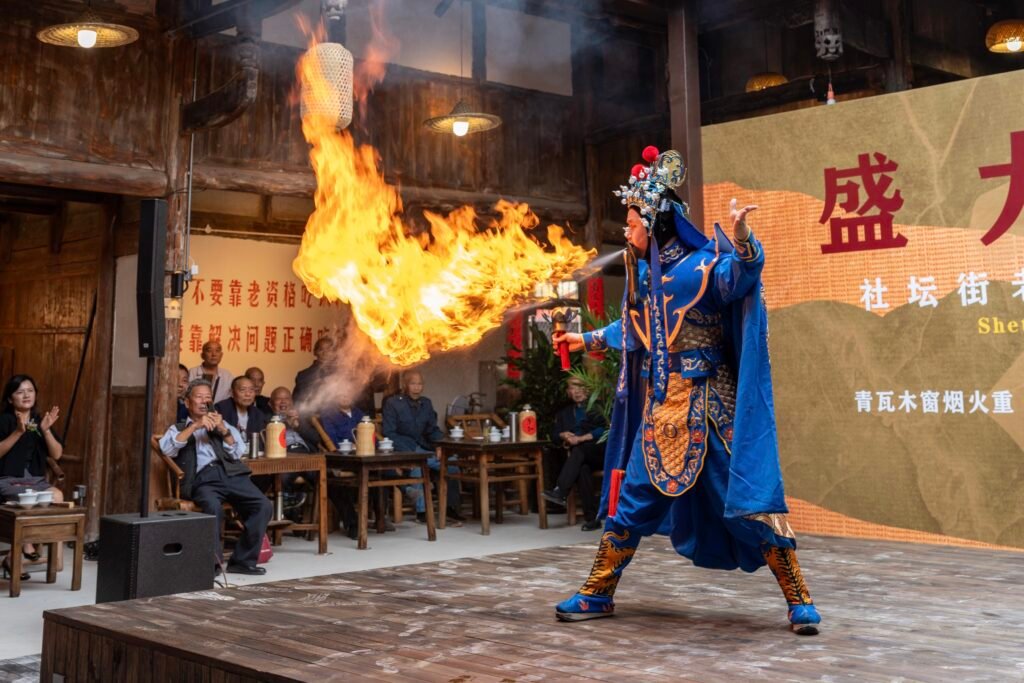
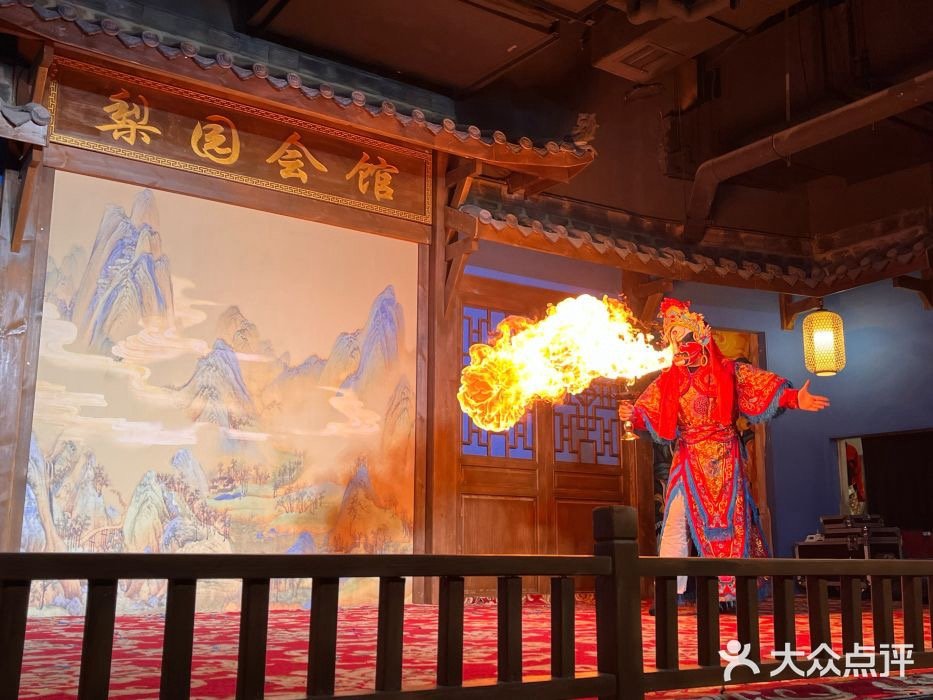
Fire-Spitting (Tu Huo) is one of the most electrifying and closely guarded secret stunts of traditional Sichuan performing arts and martial culture. Often performed alongside Face-Changing (Bian Lian), it turns the stage into an arena of blazing energy, transforming breath, combustion mechanics, and theatrical martial poise into an unforgettable visual shockwave.
Cultural Roots and Folklore
Rooted in ancient sacrificial rituals and Sichuan Opera (Chuanju), fire-spitting was originally used to portray supernatural entities, fierce warriors, or demonic power on stage.
- Theatrical Origins: In traditional repertoire, fiery bursts accompany dramatic climaxes—such as divine wrath, magical battles, or spirit transformations—leaving the audience spellbound as flames erupt from a performer’s mouth without warning.
- Martial Synergy: In the regional martial culture of Sichuan and Mount Emei, fire-spitting was historically integrated into festival gatherings and theatrical combat exhibitions to demonstrate exceptional courage, nervous discipline, and precise breath mastery.
The Anatomy of the Feat: Skill & Technique
While dramatic to witness, fire-spitting is governed by rigorous technical discipline, timing, and physics:
- The Medium: Performers traditionally use refined fuel (such as kerosene or medical-grade lamp oil) held temporarily in the oral cavity, strictly avoiding swallowing or prolonged mucosal absorption.
- The Atomization Technique: The core secret lies not in spitting liquid, but in atomization. Using targeted tongue positioning, pursed lips, and diaphragm compression, the artist forces the fluid through the mouth as an ultra-fine, high-velocity aerosol mist.
- Ignition & Angle: The mist meets a concealed or handheld torch at an exact upward or forward trajectory. When ignited mid-air, the tiny suspended droplets create a sudden, rolling fireball that blooms outward and exhausts its fuel before touching skin or clothing.
- Inhalation Discipline: Performers must master reverse breathing mechanics, ensuring zero reflex inhalation while the flame is lit to prevent internal burns or fumes entering the lungs.
Live Performance Highlights
- Sudden Bursts (连环火): Rapid, consecutive jets of fire synchronized with crashing opera gongs, cymbals, or martial combat climaxes.
- The Arc of Flame (火龙腾空): Sustained plumes that arc several feet overhead, lighting up dark courtyards and open-air festival pavilions.
- Face-Changing Synergy: Masters frequently execute an instantaneous mask switch within the blinding flash of the fire, using the split-second distraction to execute seamless, imperceptible changes.
Experience Fire-Spitting Live
Today, fire-spitting remains a premier highlight of Sichuan cultural tours, martial showcases, and evening banquets across Chengdu and Mount Emei:
- Cultural Banquets & Teahouses: Historic opera teahouses and live thematic revues (such as Kung Fu Emei and regional folklore spectacles) feature nightly master demonstrations.
- Traditional Apprenticeship: Because of the acute physical risks, the art is passed exclusively through direct master-disciple training under controlled safety environments. It serves as a living testament to the skill, daring, and dramatic flair of southwestern Chinese folk heritage.